Or, how do you make the workplace neurodiverse-friendly?
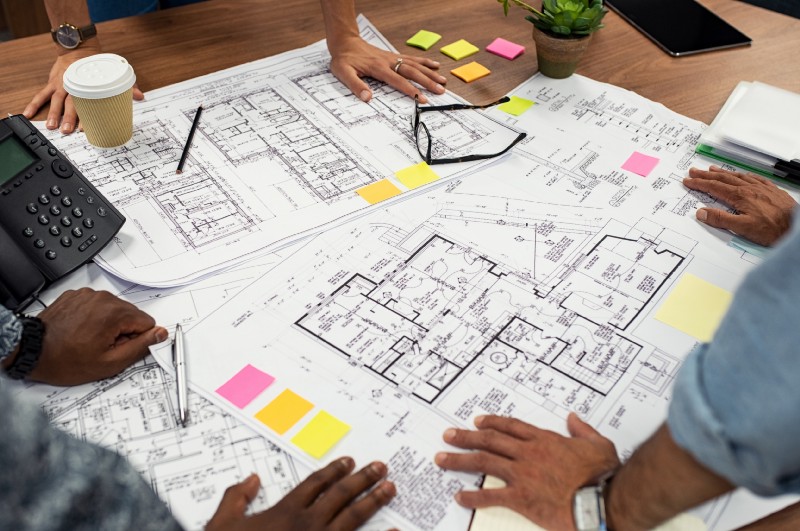
At the beginning of this century, one of the hottest trends in office design — at least at dot-coms, where companies all vied to look like they were on the cutting edge of trends — was creating a “loosened up” workplace. Companies wanted to attract younger employees with lots of energy and creativity. So, dress codes were relaxed. Recreation centers were added that offered video game consoles, nap centers, and meditation rooms. Larger companies added perks like a massage studio, kitchens fully stocked with food, and even beer and wine.
I chatted with a friend about the open office plan trend over the past two decades. Sam is neurodivergent, and she recalled that previous design trend with a shudder.
She explained, “The thing is, I never cared about any of those freebies. I liked the updated dress code because it was realistic. But all those extra perks were distractions I could not stand.”
Part of the problem, she explained, was that many workplaces added those perks as an afterthought. They made the workplace cluttered, noisy, and unpredictable. She explained, “If they didn’t implement it correctly — and most companies didn’t — it could be very distressing for people who need structure.”
Sam added, “I once walked out in the middle of a job interview because they insisted on conducting it right next to their indoor skateboard ramp! I’m sure they thought it would make them seem really cool or whatever. But it was this huge, noisy thing right next to my head! I freaked out and just left. The woman leading the interview had to come out to the parking lot and give me my backpack because I’d left it there when I ran out.”
Sadly, similar experiences are common among neurodivergent people in the workforce. They often suffer the most from policies and procedures designed to increase efficiency or general productivity without considering the people doing the work.
Don’t leave out the human equation in office design
It’s estimated that 17% to 33% of American adults in the workplace are neurodivergent, according to a recent JAMA article. That range is so wide because many diagnoses are underreported in the workplace — employees are often, understandably, unwilling to disclose their neurodivergence.
Neurodivergent disorders include learning challenges like dyslexia, dyspraxia, or dysgraphia. They include mental health challenges like depression, anxiety, and OCD. Developmental disabilities such as autism spectrum disorder and ADHD also fall under the neurodivergent umbrella.
Inclusive Dynamic Workplace Design™
Inclusive Dynamic Workplace Design™ is helpful for companies that need flexibility as they grow. It’s a practical design approach in the post-pandemic working world, where hybrid work is here to stay. A workplace implementing Inclusive Dynamic Workplace Design™ can, for example, enable a company to lease a smaller office space and rotate its workers between the office and home using a modified hot-desk system. An office plan is only useful if it properly accommodates all employees.
Inclusive Dynamic Workplace Design™ goes beyond the physical workspace environment. It includes flexibility in learning design, is attentive to psychological safety, as well as diversity and inclusion. It addresses workplace culture and the physical environment.
Key components of Inclusive Dynamic Workplace Design™
Inclusive Dynamic workplaces need to address three key elements:
- Reprioritizing the physical office space and configuring it to address new ways of working.
- Ensuring that employees have access to the tools and technologies needed to accomplish their assignments.
- Leveling up knowledge management and employee learning.
When implemented thoughtfully, these three elements benefit the entire company and can be of the most significant benefit to neurodivergent team members. Let’s break them down.
Three steps for reprioritizing office space
- Create a variety of spaces within the office. The old “many cubicles+one conference room” office setup isn’t conducive to concentration or collaboration. A significant element of Inclusive Dynamic Workplace Design™ is having spaces for employees to do deep work, interspersed with areas where teams can collaborate and people can freely socialize.
- Design employee workspaces to accommodate a hybrid environment. Remote work was here long before the pandemic. Office space should include consideration that a percentage of your workforce is at home for part (or all) of the week.
- Create a comfortable, safe environment. Spend a little more on ergonomic chairs and desks. Make sure workers can access their files quickly through a robust network. Designate quiet areas so employees can concentrate. Also, consider a quiet sensory soothing space free of fluorescent lights and noisy distractors. Furnish it with comfortable seating options with soft fabrics and focus tools.
Tools & technologies that increase productivity
- Engage with your CIO to create a secure IT environment for in-office and remote work. All employees need the hardware AND software to perform at their best. (That can mean investing in pricier, industry-standard software like Adobe and Microsoft products.)
- Make sure remote employees can access their files and virtual workspaces seamlessly. Reduce the hoops they have to jump through — implement a Single Sign-On policy across the company.
- Implement a reliable, secure video conferencing system that can be accessed in the office and remotely without a problem.
- Implement secure, reliable telephony. An office phone is still an essential tool for employees. Some workers are more comfortable communicating by phone, while others, whether neurodivergent or neurotypical, prefer text or email. And those who work with clients absolutely must have a phone. Today’s Voice over IP softphones have a range of features, including text messaging, video calls, integration with email and calendar, and more.
Knowledge management
- Provide employees with a Learning Management System. Not only is an LMS helpful for compliance with diversity training and harassment training, but it can also be used for employee skills training.
- Learn about your employees’ skills and abilities. Neurodivergent individuals have so much to offer to companies, but often, they’re stuck in a job that requires few skills and has no opportunity for growth. Train managers to recognize and support employees’ knowledge and skills and to help them set and achieve personal career goals.
Incorporating neurodiversity into Inclusive Dynamic Workplace Design™
Let’s get back to what doesn’t work for neurodivergent workers or any of your workers. Thoughtless planning, snap decisions, and a lack of commitment to adequately implementing an office plan that doesn’t just hurt your bottom line and employees are problematic.
In the office, neurodivergent employees need an environment where they can focus and minimize distractions. This may mean accommodating employees with a cubicle with higher sides than other employees’ desks in an open-plan office. Or, it may mean creating a rest space with low light and few stimuli (skip the music, video games, TV, or clutter) where any employee can go and take a break.
In a hybrid environment, where employees spend part of their workweek at the home office, help employees create a focused work environment. For example, a company can reimburse employees for ergonomic desks and chairs, decorations, and items that enable them to focus. Options could include free-standing screens to help partition off their home office work area, which is helpful in small apartments and when they must share a work area with their spouse or roommate.
I understand how companies may feel it’s an extra expense (decorations?) that they don’t need to reimburse. Remote workers could be given a stipend of a set amount that the company finds reasonable. Consider how much corporations save now that they are selling their office buildings to move towards remote workers. Use some of those savings to support remote employees.
This article is an introduction and a way to start thinking about your company’s office design. With such a large, often unknown, quantity of neurodivergent individuals in the workforce, updating your office to support neurodiversity can help the entire team succeed. And you don’t necessarily have to make considerable changes to the existing office design — just consider making changes with empathy for the employees who drive the company’s overall success.
Frequently Asked Questions
What makes a workplace neurodivergent-friendly?
A neurodivergent-friendly workplace gives employees options for how and where they work. That can include quiet areas, reduced sensory distractions, flexible work arrangements, accessible technology, clear communication systems, and spaces for both focused work and collaboration. The goal is to create an environment where different ways of thinking, processing information, and working can succeed.
How can workplace design support neurodivergent employees?
Workplace design can support neurodivergent employees by reducing unnecessary sensory and organizational barriers. Quiet workspaces, comfortable lighting, ergonomic furniture, reliable technology, flexible communication options, and access to low-stimulation areas can make it easier for employees to focus, regulate stress, and perform effectively.
What is Inclusive Dynamic Workplace Design™?
Inclusive Dynamic Workplace Design™ is an approach that looks beyond the physical office to consider the full employee experience. It includes workspace design, technology, hybrid work, employee learning, knowledge management, psychological safety, and workplace culture so that employees with different needs and working styles can succeed.
Photo Credit: Ridofranz /iStockphoto Standard License
References
[a] Villalón, Cristina (2018), 6 Office Design Trends That Will Keep Employees Happy In 2018. https://www.alvarezdiazvillalon.com/blog/7-office-design-trends-for-2017-that-will-make-everybody-happy
[b] Bank of America (2022). Neurodiversity in the Workplace: Building Toward a More Inclusive Future of Work. https://business.bofa.com/content/dam/flagship/workplace-benefits/id20_0905/documents/neurodiversity.pdf
[c] Sharma, Dhiraj (2021). Create Great Employee Experiences by Building Dynamic Workplaces. https://www.cmswire.com/employee-experience/create-great-employee-experiences-by-building-dynamic-workplaces/
[d] MMoser Associates. Workplace neurodiversity: designing for difference. https://www.mmoser.com/ideas/workplace-neurodiversity-designing-for-difference/)
[e] Shepherd, Claire (2022). Five detailed ways to design an office for neurodiversity. https://www.fastcompany.com/90762205/five-detailed-ways-to-design-an-office-for-neurodiversity
Neurodiversity Definition
Neurodiversity: this term refers to a general diversity of minds. It includes people who are neurotypical and neurodivergent. When I talk about promoting neurodiversity in the workplace, for example, I am referring to creating a diverse workforce representative of the broad spectrum that exists when it comes to ways of thinking, processing information, communication, and learning. Some employees may be “normal” or neurotypical while others may have ADHD, Dyslexia, Autism, or trauma impacted ways of thinking. I am not referring to any particular label or diagnosis, but rather, the concept of an environment where a diversity of minds coexist.
Neurodiverse: This word is pretty much the same as neurodiversity, but should be used as an adjective. You can say, for example, that your workplace is neurodiverse.
Be careful though, because you should never describe a person as being neurodiverse. Individual people should be described as neurodivergent.Neurodivergent: This word describes an individual whose way of thinking falls outside of society’s defined version of normal. Oftentimes you will see it abbreviated as ND.
Many times, neurodivergent people will have a diagnosis or label you may recognize, like autism, dyslexia, or ADHD. But neurodivergent people are also those with epilepsy, different kinds of brain trauma, or simply a unique way of thinking that may not have a specific diagnosis.
 | CLICK HERE to learn how to Maximize Success in YOUR workplace!. Bring Susan to your organization! |