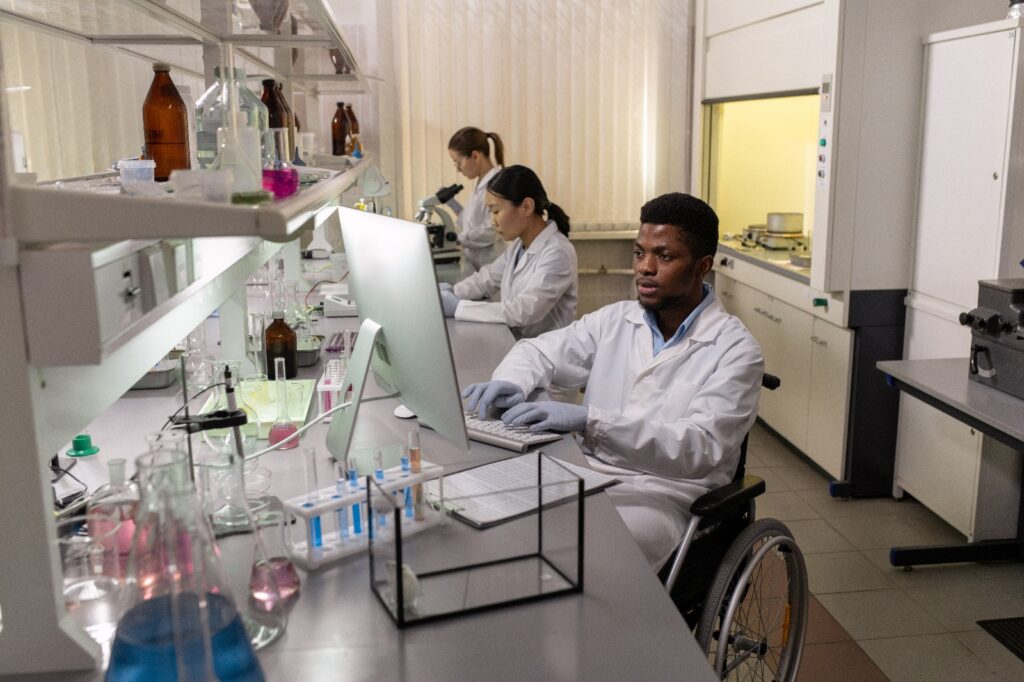
We know, from surveys and studies over the past decade, that people who are neurodivergent – those on the autism spectrum, or who are diagnosed with ADHD, dyslexia, dyspraxia, etc. – have far more trouble finding employment. Globally, it’s estimated that as many as 40 percent of neurodiverse individuals are unemployed.
A White House report on bio-workforce development noted that, “Young adults on the autism spectrum have the lowest rate of employment compared to their peers with other disability types,” And yet, “In many cases, employers have found that, with relatively small changes, many individuals who are neurodivergent are able to fully participate in the workforce.”
The biotech sector has been more welcoming to neurodiversity than other industries. While the drive to include neurodivergent individuals in the workforce is building momentum, biotech companies have had little guidance on how to train, mentor, manage and promote neurodivergent employees.
How do biotech companies create inclusive and supportive administrative and lab environments for neurodivergent employees?
Incorporating a few key strategies can make all the difference. This includes training for staff on neurodiversity, designing flexible work arrangements, making accommodations for sensory sensitivities, and keeping open communication channels to ensure neurodivergent individuals can fully contribute to biotech research.
What is Neurodiversity in Biotech?
Neurodiversity refers to the broad spectrum of human cognitive ability, a recognition that no two people are the same. Neurodivergence recognizes people whose cognitive ability is outside the “norm” or “neurotypical” definition. Common neurodivergent conditions include autism, Attention Deficit Disorder with Hyperactivity (ADHD), dyslexia, Obsessive Compulsive Disorder (OCD), and dyspraxia.
These conditions tend to be labeled as disabilities, but the term “disability” detracts from the abilities that people have and the ways that they can contribute to the workplace.
Neurodiversity: this term refers to a general diversity of minds. It includes people who are neurotypical and neurodivergent. Some employees may be “normal” or neurotypical while others may have ADHD, dyslexia, autism, or trauma-impacted ways of thinking. Rather than being a particular label or diagnosis, it is the concept of an environment where diverse minds coexist.
Neurodiverse: The same as neurodiversity, but should be used as an adjective. You can say, for example, that your workplace is neurodiverse. Never describe a person as being neurodiverse. Individual people should be described as neurodivergent.
Neurodivergent: An individual whose way of thinking falls outside of society’s defined version of normal. Often, you will see it abbreviated as ND.
Neurodivergent people may have a diagnosis or label you may recognize, like autism, dyslexia, or ADHD. But neurodivergent people are also those with epilepsy, different kinds of brain trauma, or a unique way of thinking that may not have a specific diagnosis.
Why Hire Neurodivergent Employees?
They’re already here. Whether you know it or not, chances are you already have a neurodiverse workforce. Because of a lack of inclusivity and workplace cultures tainted by misconceptions, many neurodivergent workers choose to hide their cognitive differences.
They bring unique talents to the workplace. While it is true that some neurodivergent workers may struggle with social norms, they may also have the capability to hyperfocus, problem solve, think critically, and work under pressure.
- Individuals on the autism spectrum are often values-driven, exceptionally honest and full of integrity. They can work independently, are known for being creative problem-solvers, and are blessed with incredible observational skills. They are known for their analytical thinking and tend to be strong visual learners.
- Employees with ADHD are blessed with good memory and observational skills. They have an intense energy that can be applied to complete urgent tasks. They are persistent and enthusiastic in their problem-solving. They are often highly creative.
- People with dyslexia are often excellent verbal communicators and strong visual or mechanical thinkers. They can often conceptualize data in ways that non-dyslexic people may not.
In a supportive environment, neurodivergent people excel. We find neurodivergent employees are happiest in jobs where they can utilize their unique blend of abilities. For example:
- Employees on the autism spectrum can be found in key biotech roles including lab safety, research & development, risk management, quality control and clinical research.
- Those with ADHD often excel in hyper-focused roles such as data analysis, software development, or client services.
- Dyslexic employees may excel at sales and marketing, customer service, project management, or other jobs where their creativity and unique way of seeing things contribute to effective problem-solving.
Creating a Neurodivergent-friendly Work Environment in Biotech
1. Update recruitment and hiring processes. Review company procedures to make sure they do not unintentionally discriminate against neurodivergent individuals.
2. Increase opportunities for hands-on training and skill development. Create the talent you need, in-house, through expanded educational opportunities.
3. Implement mentoring and coaching in the workplace. Embrace a company culture that offers a positive, supportive environment that allows workers to successfully develop into their roles.
4. Review company processes for accessibility. Review training materials, handbooks, policy statements, etc., to make sure they cover a diversity of learning preferences.
5. Implement company-wide training and awareness programs specifically addressing neurodiversity in the workplace. Get your neurotypical workers on-board with your neurodiversity initiatives through appropriate education and awareness training.
6. Create meaningful accommodations that consider individual workers, the work environment, and workplace culture. Work with each neurodivergent thinker on your team to create accommodations that help them do their job to the best of their ability. Then ask yourself, “Will those accommodations benefit neurotypical workers or divergent thinkers who have not disclosed their condition?” If so, improve the workplace environment by expanding that accommodation to all workers. By doing so, all employees benefit while minimizing the need for paperwork human resources requires when making exceptions for individuals. In my experience, this mountain of paperwork and red tape is a huge obstacle to creating a neurodiverse workplace.
Implementing Neurodiversity Programs in Biotech
When designing a training program for a biotech corporation focusing on neurodiverse teams, especially those with highly qualified individuals who excel in research but face certain challenges, it’s important to address specific issues that are commonly encountered. These are the top five challenges and potential solutions for each:
Difficulty with transition and change
Neurodivergent individuals often struggle with adapting to new environments, processes, or changes in routine.
Solution: Implement structured transition processes with clear, gradual steps. Offer consistent support and guidance throughout the change, and provide detailed explanations of what to expect. Regularly check in to address concerns and feedback.
Challenges with soft skills and social interaction
Neurodivergent employees may find it hard to navigate social dynamics, understand non-verbal cues, or engage in small talk, impacting team cohesion and communication.
Solution: Provide training in soft skills tailored to neurodivergent individuals. Encourage open, direct communication styles and create a culture where differences in social interaction are accepted and respected. Role-playing and social skills workshops can be beneficial.
Managing schedules and time management
Keeping up with complex schedules or managing time efficiently can be challenging, affecting productivity.
Solution: Offer tools and systems to help organize and manage time, such as visual schedules or digital organizers. Train supervisors to help employees break down tasks into manageable parts and set realistic deadlines.
Sensory sensitivities in the workplace
Many neurodivergent individuals have heightened or reduced sensitivity to sensory inputs, which can make typical office environments uncomfortable or distracting.
Solution: Create a sensory-friendly workspace. This can include noise-cancelling headphones, options for lighting adjustments, or quiet zones. Allow flexibility in workspaces, and consider individual needs for sensory comfort.
Adapting to varied communication styles
Standard forms of communication in the workplace may not be effective for everyone, leading to misunderstandings or missed information.
Solution: Foster an environment where multiple forms of communication are used and valued. This can include written instructions, visual aids, and regular one-on-one check-ins. Encourage feedback on communication preferences and adapt accordingly.
Conclusion
Fostering a neurodiverse team in the biotech industry is not just about inclusivity; it’s a strategic business decision. By creating an environment where neurodiverse individuals can thrive, we tap into a wealth of creativity and innovation. This approach requires empathy, understanding, and a willingness to adapt our management strategies to suit a diverse range of needs.
As leaders in this dynamic field, let’s commit to building teams where every member, regardless of their neurodiversity, feels valued and has the opportunity to contribute to our collective success. It’s this diversity of thought and experience that drives groundbreaking discoveries and propels our industry forward.
Here’s to embracing the full spectrum of talent in our teams and setting new standards of excellence in the biotech sector. Together, we can make a significant impact, fostering environments where everyone’s potential is realized.
Frequently Asked Questions
Why is neurodiversity important in the biotech industry?
Neurodiversity can strengthen biotech teams by bringing together people who process information, solve problems, recognize patterns, and approach research differently. Neurodivergent employees may contribute valuable strengths in areas such as research and development, data analysis, quality control, software development, clinical research, project management, and problem-solving.
How can biotech companies support neurodivergent employees?
Biotech companies can support neurodivergent employees by reviewing hiring practices, providing hands-on training, offering mentoring and coaching, creating sensory-friendly workspaces, and using multiple communication formats. Flexible work arrangements, clear expectations, accessible training materials, and individualized workplace accommodations can also help employees perform at their best.
What workplace accommodations can help neurodivergent employees in biotech?
Helpful accommodations may include quiet workspaces, adjustable lighting, noise-cancelling headphones, written instructions, visual schedules, digital organizers, flexible communication methods, and structured transition plans. The best accommodations depend on the individual employee, the work being performed, and the specific laboratory or administrative environment.
References
https://www.whitehouse.gov/wp-content/uploads/2023/06/Building-the-Bioworkforce-of-the-Future.pdf
https://susanfitzell.com/embracing-neurodiversity-in-the-skilled-trades/
Photo Credit for header image: ipopba / iStockphoto standard license
 | CLICK HERE to learn how to Maximize Success in YOUR workplace!. Bring Susan to your organization!Featured seminar – Inspiring Success: Leadership Strategies that Promote Employee Success |