
Are your teams struggling with communication roadblocks or rigid processes that stifle brilliant, unconventional solutions? Many organizations unintentionally create a “hidden productivity gap” when they prioritize conformity over individual cognitive needs. By making strategic, small shifts in your environment and leadership approach, you can create a truly brain-friendly workplace that unlocks higher employee performance across all thinking styles.
What and Why: Brain-Friendly Leadership
Cognitive diversity recognizes the natural variation in human brains regarding processing information, communication, and learning. This variation includes both neurotypical (NT) and neurodivergent (ND) individuals – those with diagnoses like ADHD, dyslexia, or autism.
Brain-friendly leadership involves implementing Inclusive Dynamic Workplace Design (IDWD), a holistic framework that adapts policies, physical spaces, and communication strategies to support diverse cognitive needs. Rather than viewing differences through a deficit model, this approach applies a gifts-mindset that focuses on leveraging unique strengths and aptitudes.
As an internationally recognized Certified Speaking Professional (CSP) and a neurodivergent adult with dyslexia, ADHD, and autism, I bring four decades of experience helping leaders bridge the gap between varied learning needs and professional success. Focusing on how people actually think and learn is crucial, especially since neurodivergent employees are estimated to comprise between 17% and 33% of the American adult workforce (High Lantern Group, 2024).
Benefits of Adopting Brain-Friendly Strategies
By prioritizing cognitive diversity and removing barriers, businesses gain a strategic advantage.
- Higher levels of quality, efficiency, and overall productivity
- Increased patenting and radical innovation (SAP data confirmed this outcome)More original solutions to complex problems
- Improved process improvement and time savings
- Enhanced employee loyalty and reduced turnover
How to Do It: Practical Productivity Strategies
Successfully maximizing employee performance requires intentional adjustments to the pillars of daily work: communication, workflow, and meetings.
Optimize Communication for Clarity
A neuroinclusive culture hinges on clear, direct communication that respects varied processing speeds and styles. Managers must be aware that auditory information retention is often low; typically only 10% of people retain all auditory information presented while many miss key details entirely.
- Use Visual Reinforcement: Always couple verbal instructions and presentations with visuals, flowcharts, or posters to aid recall and comprehension, particularly for visual learners or those with central auditory processing disorder (APD). Visual content retention can be as high as 65%, compared to 10% for auditory content alone.
- Practice Active Listening: Invest in training to improve active listening skills, which are fundamental to hearing and addressing team members’ concerns, especially when communication styles differ.
- Assume Best Intent: When a colleague is blunt, asks many questions, or struggles with eye contact, interpret their actions positively. Asking many questions, for instance, often means the individual needs to understand completely, not that they are criticizing or judging.
- Establish Group Norms: Define explicit expectations for meeting behavior and communication protocols early on. This reduces anxiety and ensures everyone feels safe and respected.
Streamline Workflow with Flexibility
Restricting potential, such as forcing a high-performing engineer into mundane administrative tasks they struggle with, limits business success,. Effective productivity strategies focus on placing employees where their differences can shine.
- Prioritize Core Aptitude: Redesign roles and workflows to focus employees on what they are most talented at, ensuring they laser-focus their efforts on maximizing their aptitude. For example, a dyslexic employee with excellent spatial awareness might thrive in loss control or risk management, even if they struggle with text-heavy tasks.
- Offer Universal Accommodations: Proactively provide essential tools to everyone without requiring formal disclosure. Examples include noise-canceling headphones, balance balls, adjustable lighting, or quiet rooms (chill spaces). This makes accommodations the norm and helps reduce perceptions of favoritism.
- Provide Flexible Work Options: Recognize that for some, bright lights, noise, and constant interaction are counterproductive. Remote or hybrid work options allow employees to customize their environment for optimal focus and productivity.
Design Inclusive Meetings and Workplace Learning
Traditional instructional methods, such as long verbal lectures or computerized tests, disadvantage many divergent thinkers and undermine workplace learning ROI.
- Pre-Share Information: Send meeting materials or agendas in advance. This eases anxiety and allows employees to process topics ahead of time, enabling richer contributions from all present.
- Integrate Brain Breaks: For meetings or training longer than an hour, build in short breaks (e.g., 5-15 minutes every 60-90 minutes),. These productivity strategies prevent cognitive fatigue and help everyone maintain focus and retention.
- Vary Presentation and Assessment Formats: Avoid relying solely on lecture-style delivery. Incorporate blended learning, microlearning, or hands-on activities to engage different learners. Offer alternatives to traditional written exams, such as presentations, simulations, or one-on-one discussions, to assess understanding accurately.
- Use Reinforcement Techniques: Utilize interactive activities like “Think/Pair/Share” or encourage mind mapping. These collaborative techniques reinforce learning and allow employees to process information without being put on the spot.
Examples & Templates
Anecdote: Prioritizing Skill over Social Performance
When I was interviewing a writer via Zoom, I noticed she had a flat affect and almost no animation. Traditional hiring practices, which value conversational performance and conformity, might have led me to dismiss her. However, because I was hiring for writing skills, not presentation skills, I focused on her aptitude. She later disclosed she was autistic and wrote much better than she spoke, confirming that judging her on interview skills instead of core capability would have resulted in missing out on valuable talent. This outcome demonstrates the value of brain-friendly leadership that prioritizes actual job performance.
Template: The Biodex Check-in
The Biodex check-in acts as a universal “user manual” for team members, normalizing the sharing of communication and work preferences to promote cohesive collaboration.
Quick Check-In Template for Teams (Daily or Weekly)
- Preferred Communication Channel Today: (e.g., email, urgent calls only, instant message).
- Expected Response Time: (e.g., immediate, within 2 hours, delayed due to focused work).
- Top Focus Task: (What requires uninterrupted time today).
- Potential Triggers or Distractions: (e.g., sensory needs, need quiet space, high-energy day).
- Preferred Feedback Style (for new task): (e.g., written steps, visual checklist, verbal debrief).
Measure & Iterate: Tracking Cognitive Diversity Success
Tracking the success of productivity strategies involves looking beyond basic output metrics to assess how well your organization supports diverse thinkers.
- Monitor Accommodation Utilization: Track the rate at which universal accommodations (e.g., use of chill spaces, flexible scheduling) are accessed by all employees, not just those who disclose a diagnosis. High utilization proves these resources enhance employee performance.
- Review Performance Focus: Ensure performance reviews operate under a gifts-mindset by prioritizing leveraging individual strengths and unique talents, rather than focusing solely on perceived deficits or conformity to communication norms.
- Assess Psychological Safety: Use anonymous pulse surveys to gauge employee comfort in speaking up, asking questions, or suggesting unconventional ideas. A culture of trust means employees share divergent ideas rather than shutting down after being criticized.
- Analyze Talent Flow: Track the efficacy of skill-based hiring assessments versus traditional interviews in identifying high-aptitude individuals, confirming that practices mitigate bias and attract a wider range of cognitive diversity.
Frequently Asked Questions
What is a brain-friendly workplace?
A brain-friendly workplace is designed to support different ways of thinking, processing information, communicating, and learning. It uses clear communication, flexible work practices, inclusive meeting structures, accessible learning formats, and supportive physical environments to help both neurodivergent and neurotypical employees perform more effectively.
How can brain-friendly leadership improve employee productivity?
Brain-friendly leadership improves productivity by reducing unnecessary barriers that interfere with focus, communication, learning, and performance. Strategies such as clear written instructions, visual reinforcement, flexible work options, universal accommodations, and strengths-based role design can help employees use more of their actual capability instead of spending energy adapting to rigid systems.
What are practical ways to create a more neuroinclusive workplace?
Practical steps include sharing meeting materials in advance, offering quiet or low-stimulation workspaces, providing multiple communication formats, using visual supports, allowing flexible work arrangements, and focusing performance expectations on core job outcomes rather than conformity to one working style. These adjustments can improve psychological safety and make it easier for employees with different cognitive needs to contribute.
Conclusion: Investing in How We Think
Neurodiversity is not a challenge to be managed; it is a vital form of cognitive diversity that serves as a powerful accelerator for innovation and productivity. By intentionally adopting brain-friendly leadership practices and focusing on individual strengths, you move your organization beyond standardized performance toward a future where every employee’s unique potential is maximized. This is how you close the hidden productivity gap and ensure lasting competitive success.
Take the first step toward enhancing your employee performance: Immediately implement active listening training for all team leaders to foster a culture of understanding and collaboration.
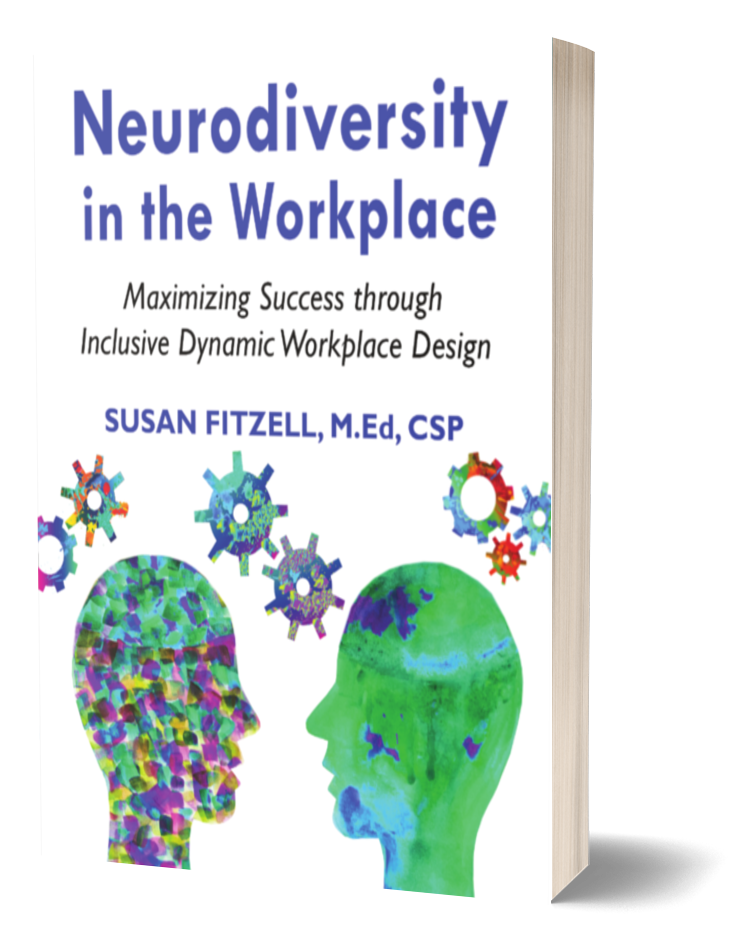 | CLICK HERE to learn how to Maximize Success in YOUR workplace!. Bring Susan to your organization! |